
Papers, Manuscripts, and More
Papers
This page serves as an introduction to my published and peer reviewed academic work in the fields of computational drug design and neuroscience. Within these areas, I have studied the advantages and disadvantages of deep learning techniques to either develop novel approaches to drug discovery and or to elucidate process in the brain. Please take advantage of the links provided to gain access to these publications and explore the cutting-edge research within these fields.
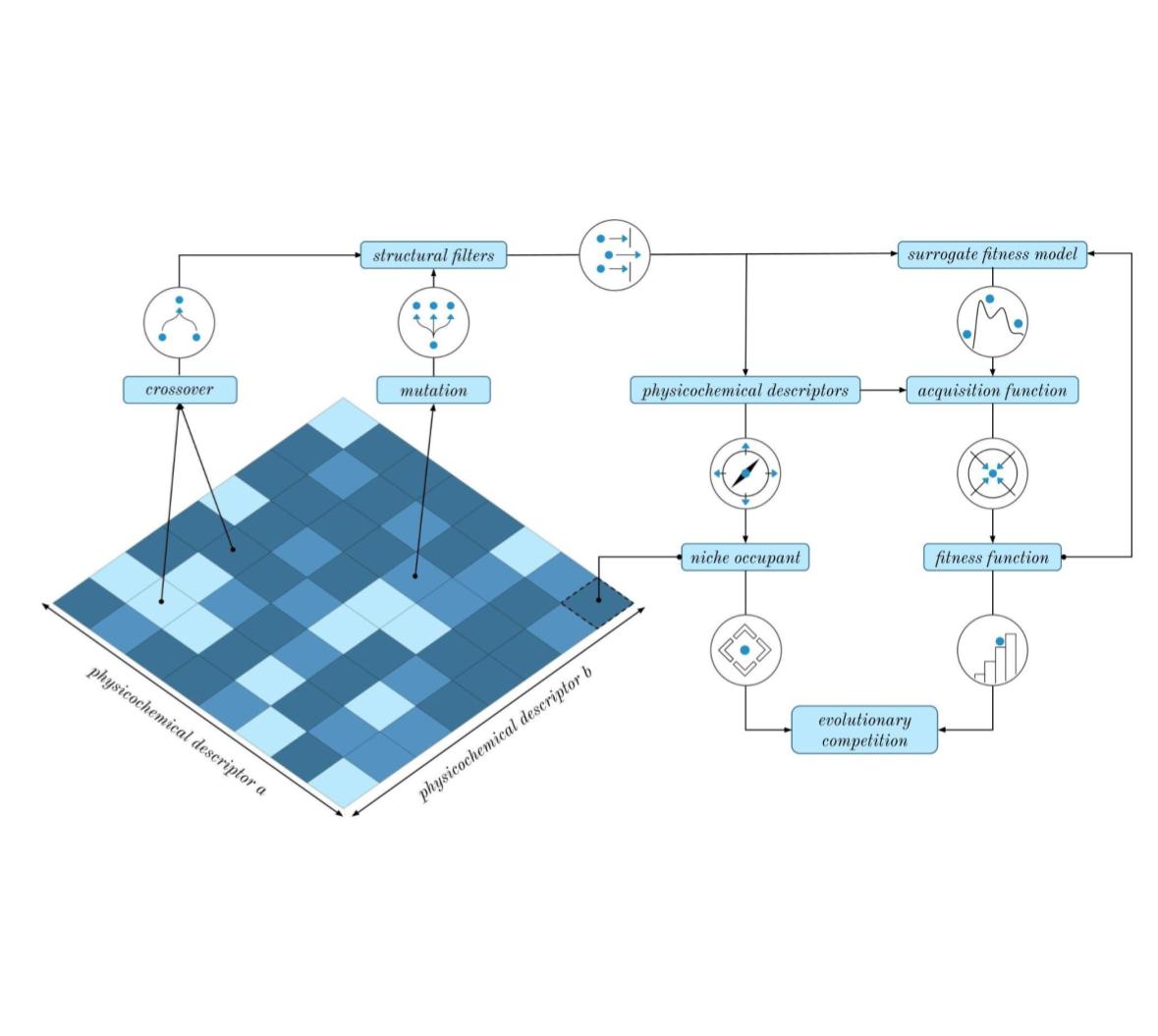
Bayesian Illumination for Small Molecules
The paper “Bayesian illumination: Inference and quality-diversity accelerate generative molecular models,” published in SciPost Chemistry by Jonas Verhellen, introduces a generative framework that combines Bayesian optimisation with quality-diversity search to design high-performing small molecules.
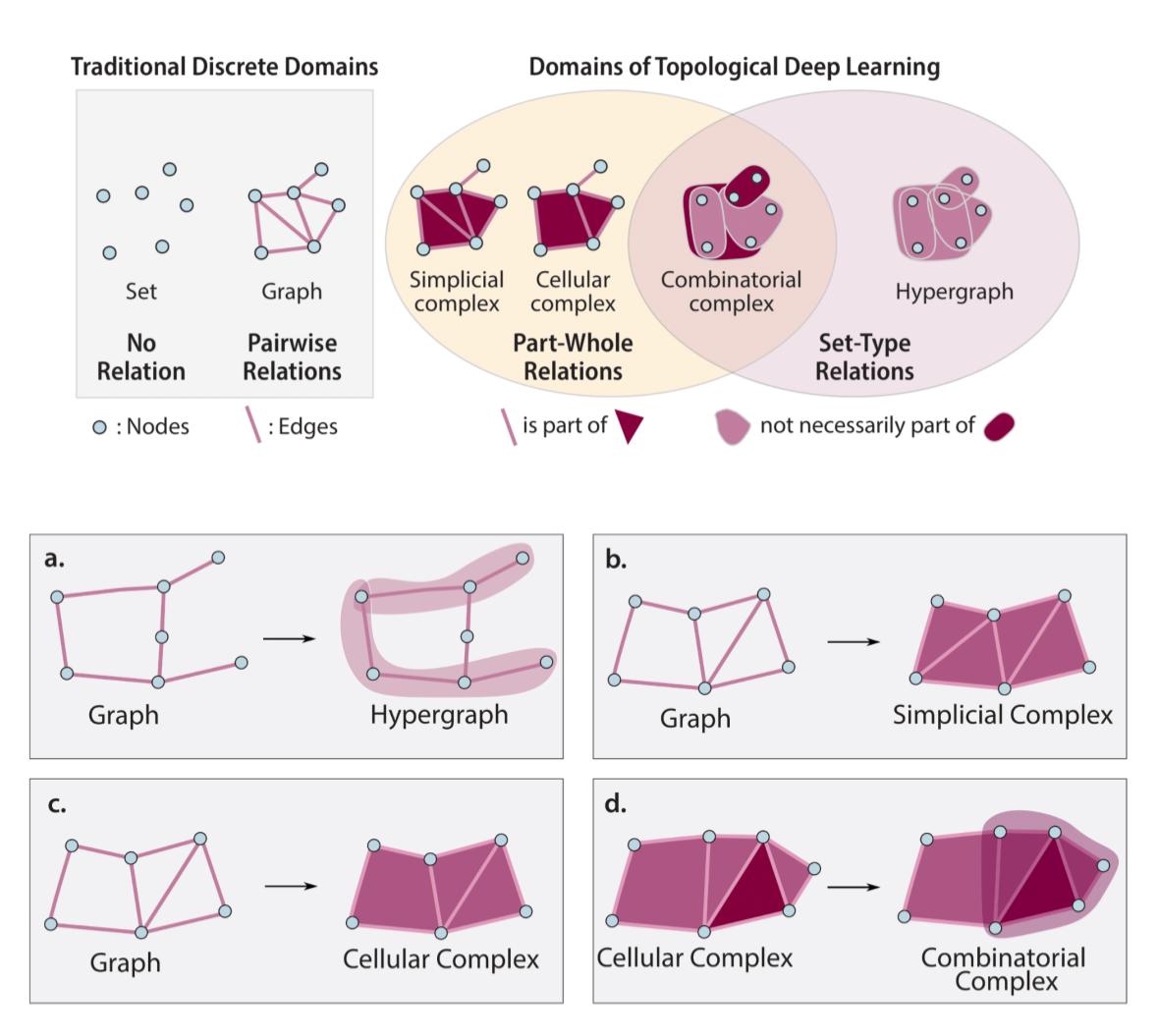
Topological Deep Learning Challenge
The paper “ICML Topological Deep Learning Challenge 2024: Beyond the Graph Domain,” by Guillermo Bernárdez and colleagues describes the second edition of the Topological Deep Learning Challenge. The initiative aimed to bridge topological deep learning with broader structured data settings.
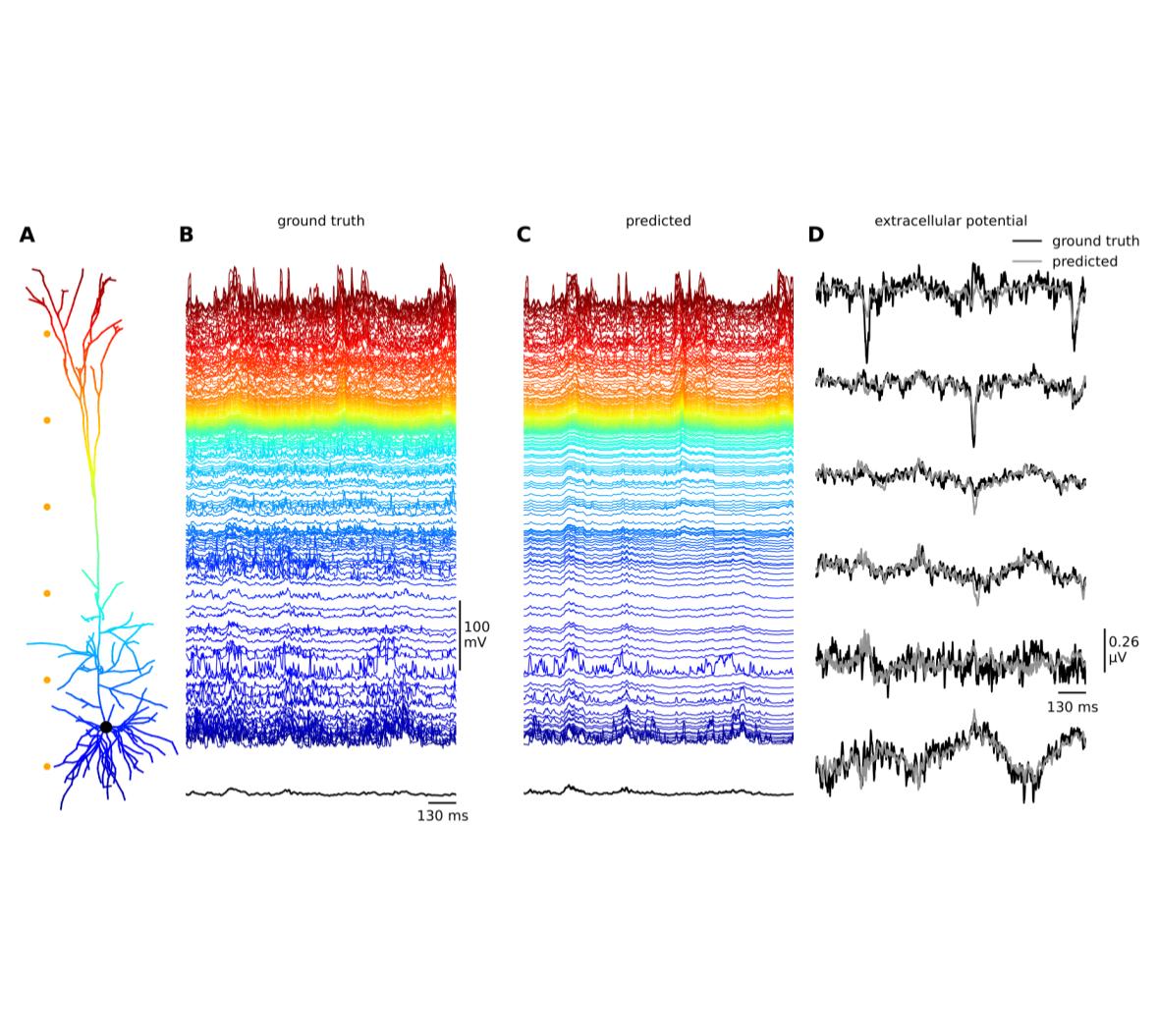
Multitask Learning of Biophysical Neurons
The paper “Multitask learning of a biophysically-detailed neuron model” published in PLOS Computational Biology by Jonas Verhellen and colleagues presents a multitask learning approach to accelerate simulations of detailed neuron models by simultaneously predicting membrane potentials across all compartments.
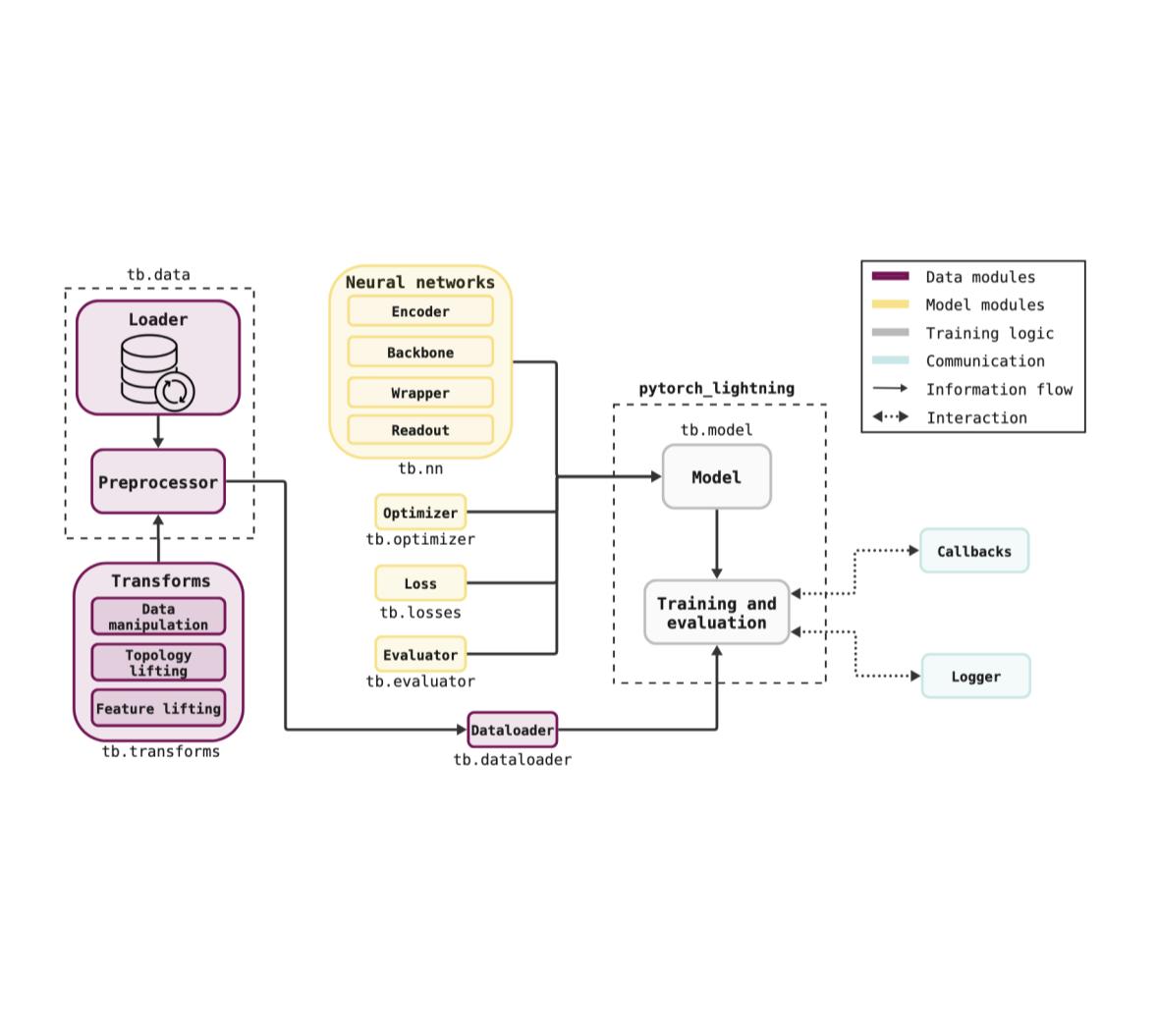
Benchmarking Topological Deep Learning
The paper “TopoBench: A Framework for Benchmarking Topological Deep Learning” by Lev Telyatnikov and colleagues introduces a standardized framework for evaluating methods in topological deep learning. The authors present TopoBench as an open-source, modular library that decomposes the topological deep learning pipeline.
Isometric Representations in Neural Networks
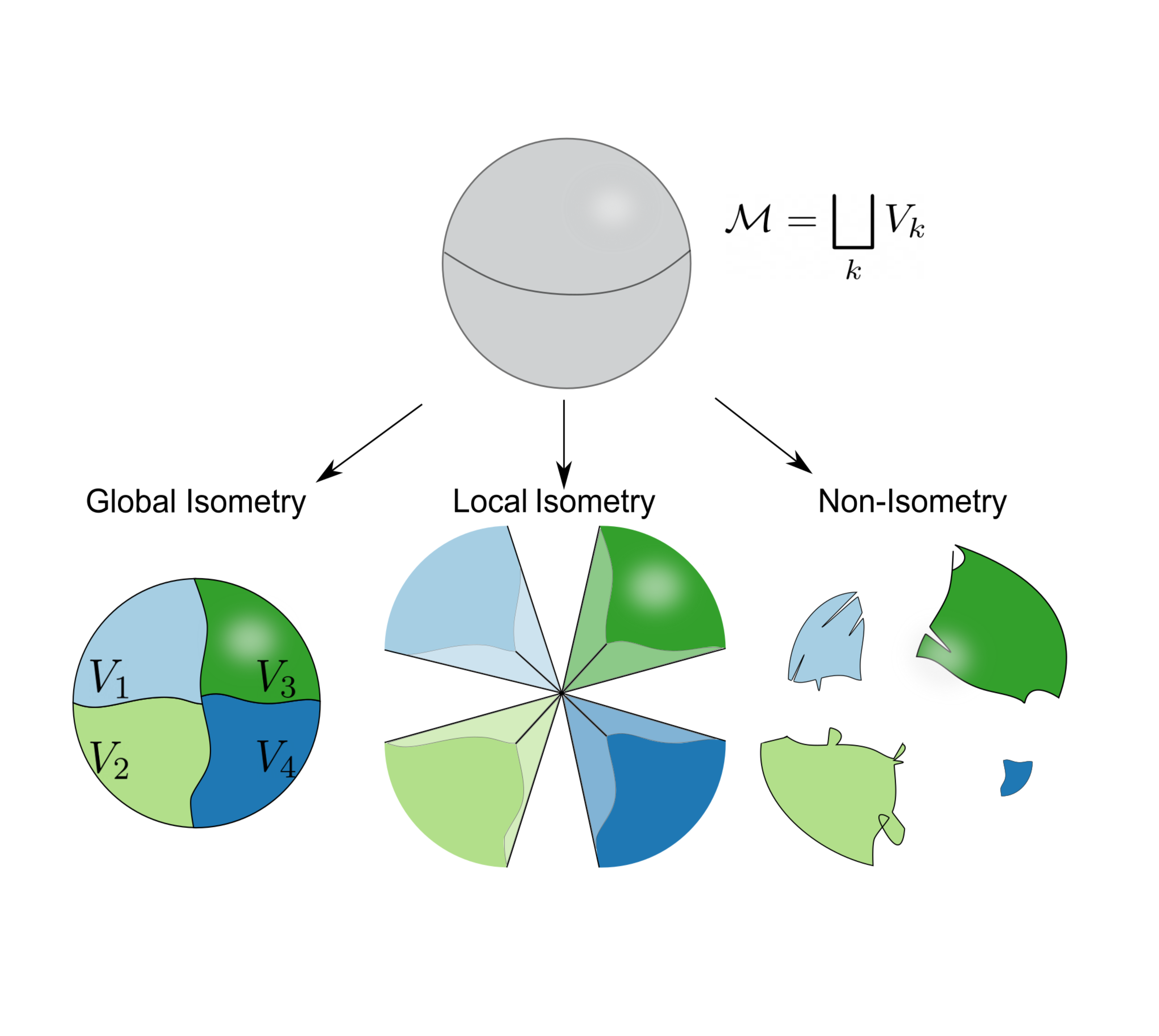
The paper "Isometric Representations in Neural Networks Improve Robustness" by Kosio Beshkov, Jonas Verhellen, and Mikkel Elle Lepperød proposes a method for training neural networks with isometric constraints. The paper presents a theoretical analysis of the method and demonstrates its effectiveness on image classification tasks.
Molecular Pareto Optimisation
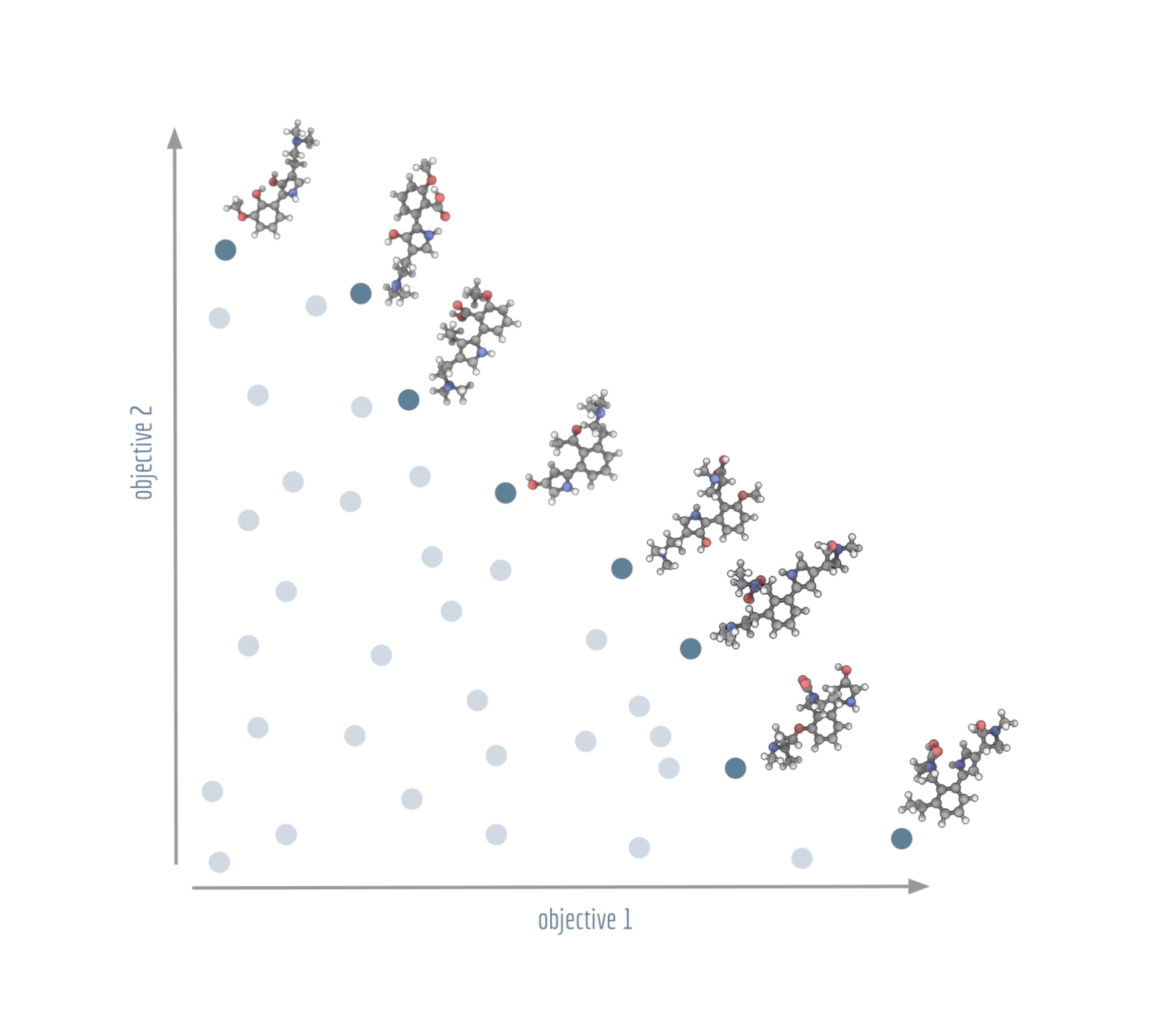
The paper "Graph-Based Molecular Pareto Optimisation" by Jonas Verhellen presents an approach to optimize multiple molecular properties while ensuring chemical diversity in drug design. The paper demonstrates the potential of graph-based approaches in optimizing complex molecular properties while incorporating chemical diversity.
Illuminating Chemical Space
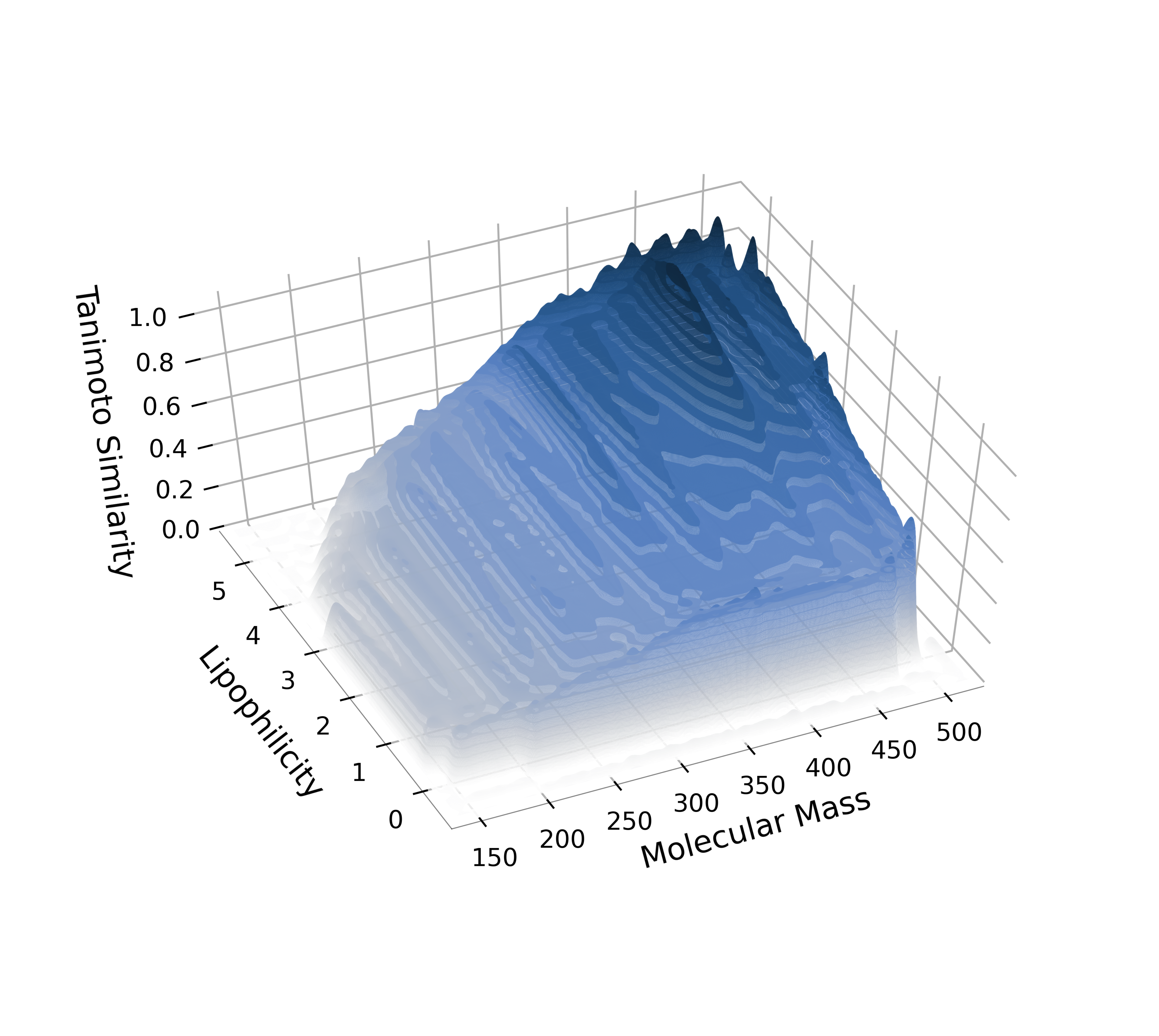
The paper "Illuminating Elite Patches of Chemical Space" by Jonas Verhellen and Jeriek van den Abeele describes an approach to generate a diverse set of molecules with desirable properties in computational drug design. The authors use a quality-diversity algorithm to explore chemical space and identify high-quality and diverse molecules.